
A Summer of Safer Listening: How We Worked with UK Festivals
As festival season draws to a close, it’s been a busy few months for Tinnitus UK and our work with the live music community.
From independent festivals to some of the biggest live music events in the UK, we’ve been working to put hearing health on the agenda, while recognising something important: protecting your hearing and enjoying live music can absolutely go hand in hand.
It started with Tinnitus Week
This work began in February with Tinnitus Week 2026, when we put live music and tinnitus firmly in the spotlight.
Our Amplifying Awareness report brought together insights from musicians, industry professionals, fans and festival-goers, highlighting the need for safer listening across the live music industry.
We also hosted Quiet Night Out, our first safe listening concert at London’s Union Chapel, showing that protecting your hearing doesn’t have to mean compromising the live music experience.
Since then, we’ve taken that conversation into the festival season, working with festivals, musicians and the wider industry to make hearing health part of the live music conversation.

From Download to ArcTanGent
We took our work into the live music world through our activity at Download Festival, continuing to speak directly with musicians and music fans about tinnitus, hearing health and safer listening.
At ArcTanGent Festival, that work went a step further. The Manchester Centre for Audiology and Deafness (ManCAD) worked with the festival to explore the implementation of the World Health Organization’s Global Standard for Safe Listening.
This included sound level monitoring, work around sound system design, access to hearing protection, quiet areas and training for festival staff. ManCAD also spoke with artists, sound technicians, festival staff and festival-goers to understand how these measures work in practice.
Dr Samuel Couth, Lecturer at ManCAD, said:
“Live music is such an important part of our culture and everyday lives, but it’s equally important that we think about how we can make these environments safer for the people in them. We want to put hearing health into practice, while recognising that enjoying loud music and protecting your hearing don’t have to be mutually exclusive.”
That’s the conversation we want to keep having. By working with festivals, artists, researchers, music fans and the wider live music industry, we can help make hearing health become a normal part of the live music experience.
Because looking after your ears shouldn’t mean missing out on the music you love.
Shambala: keeping the conversation going
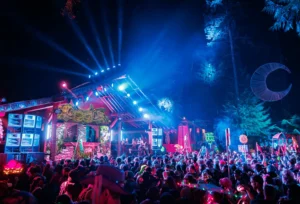
We are also pleased to build our relationship with Shambala Festival, an independent festival known for its strong community, creativity and love of music.
Shambala was also an opportunity to continue conversations about what safer listening can look like within the festival environment, and the role that festivals, artists and audiences can all play in looking after hearing.
The festival has its own measures in place for people working around loud equipment and PA systems, including mandatory hearing protection areas, warning signage and requirements for appropriate rest breaks away from sources of noise.
One attendee told us:
“Over the past couple of decades I’ve had mild tinnitus as a result of going to many events. Along with that was a profound connection to the music, which also led to the need to create it as an outlet. More recently it has been apparent that my hearing will not improve and I need regular rests from noisy environments. I took measures to protect it by regularly wearing ear protection and keeping safer distances from the speakers.
I no longer come home from events with ears ringing heavily for hours (and sometimes days), and even get an almost complete relief from the tinnitus. This has enabled me to create music with closer attention to detail and become more aware of the risks of continued exposure.”
Shambala’s team were keen to support the conversation around hearing health and the idea that looking after your ears doesn’t have to mean stepping away from the music.
“Music is at the heart of what we do at Shambala, and the artists who create those experiences are a huge part of what makes the festival special. Looking after our hearing means we can keep enjoying, and making, music for years to come, so we’re really happy to support Tinnitus UK in getting people talking about hearing health in live music.
We hope it’s a useful reminder that looking after your ears and throwing yourself into live music can absolutely go hand in hand.”
For us, that message is key. We want hearing protection and safer listening to become a normal part of going to a gig or festival; not something that gets in the way of enjoying it.
Green Man: putting hearing health in the spotlight
As Green Man Festival took place in August, Tinnitus UK experts were featured in regional media encouraging festival-goers to think about their hearing.
The coverage highlighted the scale of the issue, with Tinnitus UK data showing that 92% of gig-goers experience ringing in their ears temporarily after gigs, while 40% of those experience it persistently.
For festival-goers, some of the simplest steps can make a difference: wearing suitable ear protection, staying hydrated, taking regular breaks from loud environments and avoiding standing directly next to speakers.
And hearing protection doesn’t have to mean sacrificing the music. Filtered or high-fidelity earplugs can reduce sound levels while allowing people to continue enjoying the detail and balance of a performance.

Reading & Leeds: safer listening for festival fans
The same message reached festival-goers heading to Reading & Leeds Festival, with tinnitus and hearing specialists sharing practical advice on protecting hearing during a busy festival weekend.
For anyone attending several days of live music, it’s particularly important to think about sound exposure as cumulative. Taking regular breaks, spending time away from loud stages and using appropriate hearing protection can all help give your ears a chance to recover.
The aim isn’t to tell people to turn the music down or stay away from the front row. It’s to help people make informed choices so they can keep enjoying live music for years to come.

-

Buy ACS earplugs from Tinnitus UK
Tinnitus UK has teamed up with ACS to offer you universal earplugs that can be used whenever they're needed!